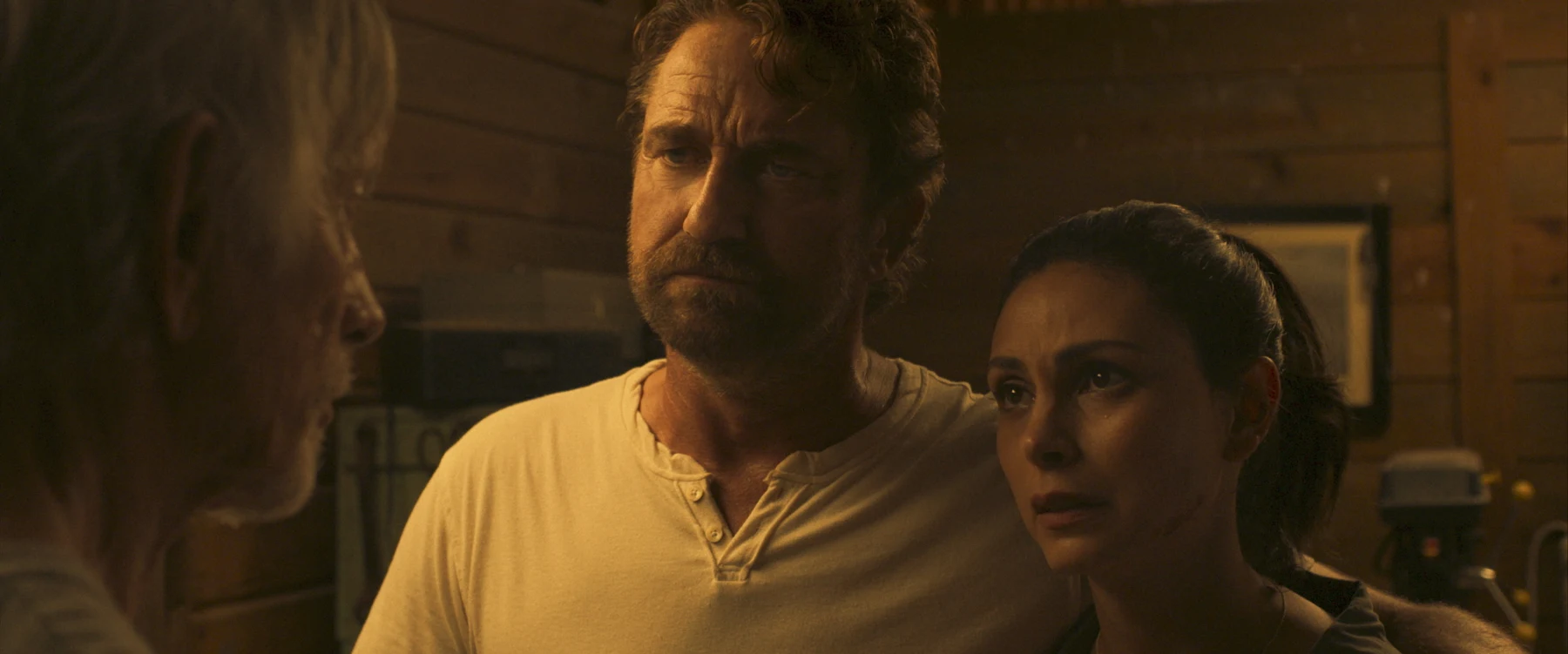
If you are wondering whether Greenland is based on a true story, the short answer is no. The 2020 disaster thriller is a work of fiction, built around an imagined comet impact and the global crisis that follows. Its characters, family emergency, and race for safety are not presented as a dramatization of a real event.
That does not mean the movie is completely disconnected from reality. Greenland uses real-world anxieties—asteroid impacts, government uncertainty, travel restrictions, family separation, and the fear of social collapse—to make its fictional disaster feel plausible. The result is less a true-story movie than a speculative survival story that borrows details from real science and familiar public fears.
No, Greenland is not based on a true story
The film does not adapt a news report, memoir, historical incident, or documented family account. Its central disaster is fictional, and the main characters were created for the story. The movie follows John Garrity, his wife Allison, and their son Nathan as they try to survive after fragments from a comet begin threatening Earth.
That basic premise is invented for the film. There has been no real-world comet event matching the movie's plot, and the Garrity family's journey is not a retelling of something that happened to an actual family. Viewers should therefore treat the movie as an original disaster narrative rather than a dramatization of current events.
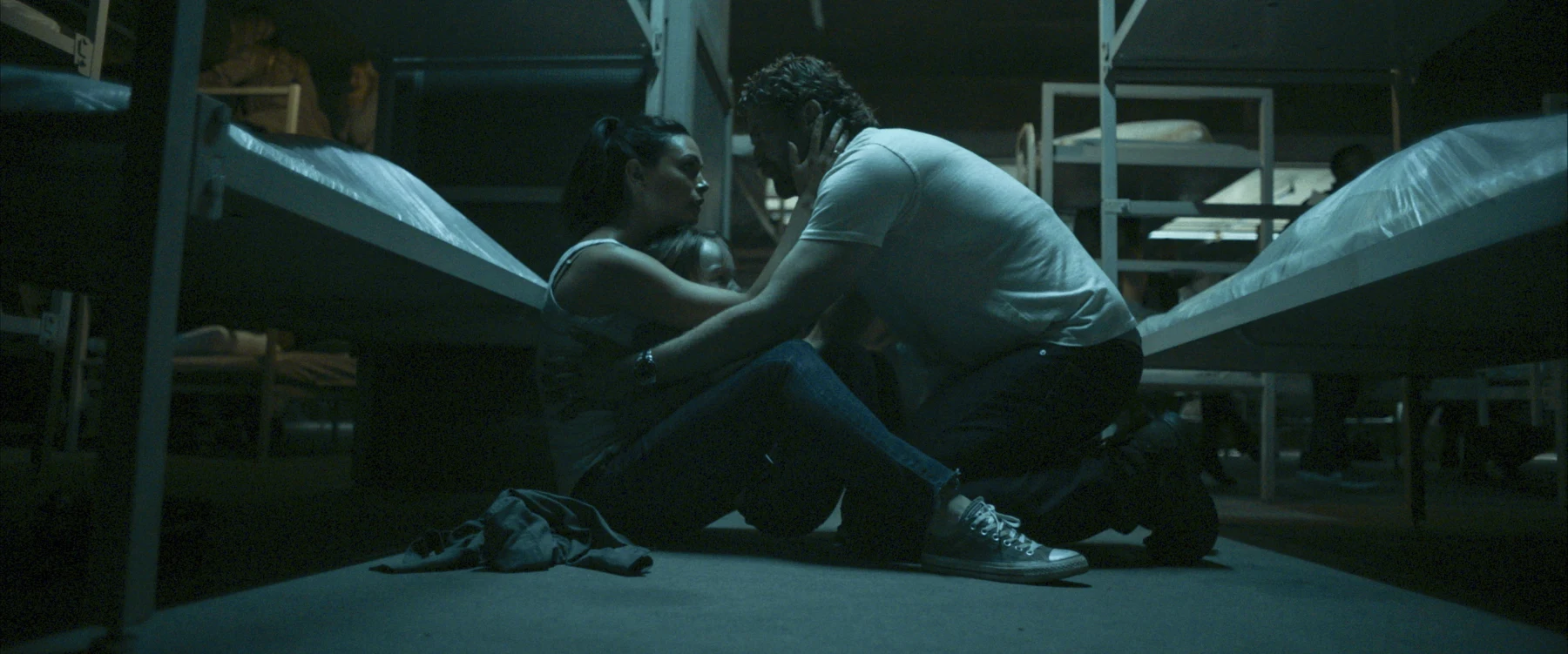
For readers looking at the film through a fact-checking lens, this distinction matters. The movie may use realistic settings, everyday technology, and recognizable institutional responses, but those details do not make the story true. They are storytelling tools designed to place an extraordinary event inside an ordinary-looking world.
What parts of Greenland are inspired by real science?
The idea of an asteroid or comet striking Earth is scientifically plausible in broad terms. Objects from space have collided with Earth throughout the planet's history, and astronomers actively search for near-Earth objects. A sufficiently large impact could cause catastrophic damage, although the exact effects would depend on the object's size, speed, composition, impact location, and other factors.
Greenland also draws on a real scientific concern: a threat from space might be difficult for the public to understand in the early stages. Scientific warnings can change as new observations are made, while governments and agencies must make decisions with incomplete information. That tension helps the film create urgency without relying only on explosions.
Still, the movie's specific comet, its timing, and the chain of events surrounding it are fictional. The film is not a scientific forecast, and it should not be used as a precise guide to how a real impact would unfold. Its science is there to support the drama, not to replace expert analysis.
Real possibility does not equal real event
This is the key difference between scientific inspiration and factual adaptation. A story can begin with a genuine possibility while inventing everything else. Earthquakes, pandemics, hurricanes, and space impacts are all real categories of risk, but a fictional film can arrange them into a plot that has never happened.
That is what Greenland does. It takes a credible type of global threat and asks how one family might respond when normal life disappears almost immediately. The movie's emotional reality is more important than its status as a scientific simulation.
Why does Greenland feel more realistic than many disaster movies?
One reason the film can feel like it might be based on real events is its focus on confusion rather than complete information. John and Allison are not presented with a simple plan that everyone understands. They face changing instructions, limited access, crowded transportation, and difficult choices involving the people they love.
Those pressures resemble real emergencies even though the comet itself is fictional. During a crisis, people often depend on messages from authorities, transportation systems, medical services, and communication networks. If those systems become unreliable, a problem that began far away can quickly become personal.
The movie also keeps much of its attention on a family rather than on scientists or military leaders. That choice makes the disaster feel immediate. The question is not only whether humanity can survive, but whether these particular people can stay together long enough to find safety.
In my view, this grounded approach is one of the film's strongest ideas. The movie does not need every event to be historically accurate to create believable fear. It only needs the characters' reactions to feel emotionally recognizable. Arguments, panic, uncertainty, and desperate decisions make the fictional premise easier to imagine.
Is the comet in Greenland scientifically accurate?
Not in the sense of being a detailed scientific case study. The movie uses the comet as a dramatic mechanism, and some of its timing and consequences are shaped by the needs of a thriller. The film compresses complex scientific and logistical questions so the story can move quickly.
That does not make the premise meaningless. A large impact is a legitimate subject for scientific discussion, and the possibility of objects approaching Earth is monitored in the real world. But the particular impact shown in Greenland should be understood as an imagined scenario.
It is also important not to confuse the film's visual language with evidence. News broadcasts, alerts, crowded public spaces, and official-looking procedures can make a fictional story resemble a documentary. They establish atmosphere, but they do not prove that the movie is based on a documented incident.
What is Greenland really about?
At its core, Greenland is about survival under pressure and the fragile bonds between people. The comet creates the external danger, but the emotional story comes from a family trying to navigate fear, separation, responsibility, and trust.
That focus gives the film a different texture from a disaster story centered entirely on spectacle. The threat is enormous, yet the characters often deal with small, immediate problems: where to go, whom to believe, how to protect a child, and whether there is still time to repair a damaged relationship.
This is also why the question about a true story can have two answers depending on what you mean. Factually, no—the plot is fictional. Emotionally, the film is built from real human experiences. The fear of losing family, being excluded from a plan, or discovering that official help may not reach everyone is easy to recognize even when the trigger is imaginary.
For a broader look at the movie's story without treating it as a historical event, you can browse the Plot & Story section on Greenland Movie Reviews.
Does Greenland predict a real future disaster?
No. The film should not be described as a prediction. It presents one fictional possibility, shaped for suspense and character drama. Even when a movie uses real scientific concepts, its scenario is not automatically a forecast.
Real experts would need to evaluate the size and trajectory of any approaching object, estimate the probability of impact, model regional and global effects, and coordinate a response. Those calculations would involve information that the movie simplifies or leaves outside the story. A fictional thriller cannot stand in for that work.
The more useful way to read Greenland is as a thought experiment. It asks what happens to ordinary routines when people receive frightening information they cannot independently verify. It also asks whether institutions can maintain trust when resources are limited and time is short.
Should you watch Greenland if you prefer realistic disaster movies?
If you want a documentary-level account of asteroid science, this is not that kind of film. If you want a tense, character-driven disaster thriller that uses a plausible scientific threat as its starting point, it may be a good fit.
The movie's realism is mainly emotional and situational. It comes from the uncertainty surrounding the characters, the difficulty of getting reliable information, and the pressure placed on a family trying to remain together. Some viewers may find the science less convincing than the human drama, while others may appreciate that the film stays close to personal stakes.
For more discussion of the movie's scientific ideas and survival scenario, the Survival & Science section offers a useful next step.
The final answer
Greenland is not based on a true story. It is a fictional 2020 disaster thriller about a family facing the threat of a comet impact. Its premise is inspired by real scientific possibilities, but the characters, crisis, and specific chain of events are invented.
What makes the movie feel believable is not that it recounts something that happened. It is the way it connects a spectacular threat to ordinary fears: losing contact with loved ones, not knowing whom to trust, and trying to make the right decision when there may be no good options. That blend of fictional science and recognizable emotion is the reason the film can feel realistic without being true.
Did the movie's grounded approach make its fictional disaster feel believable to you, or did the science pull you out of the story? Share your take with us.
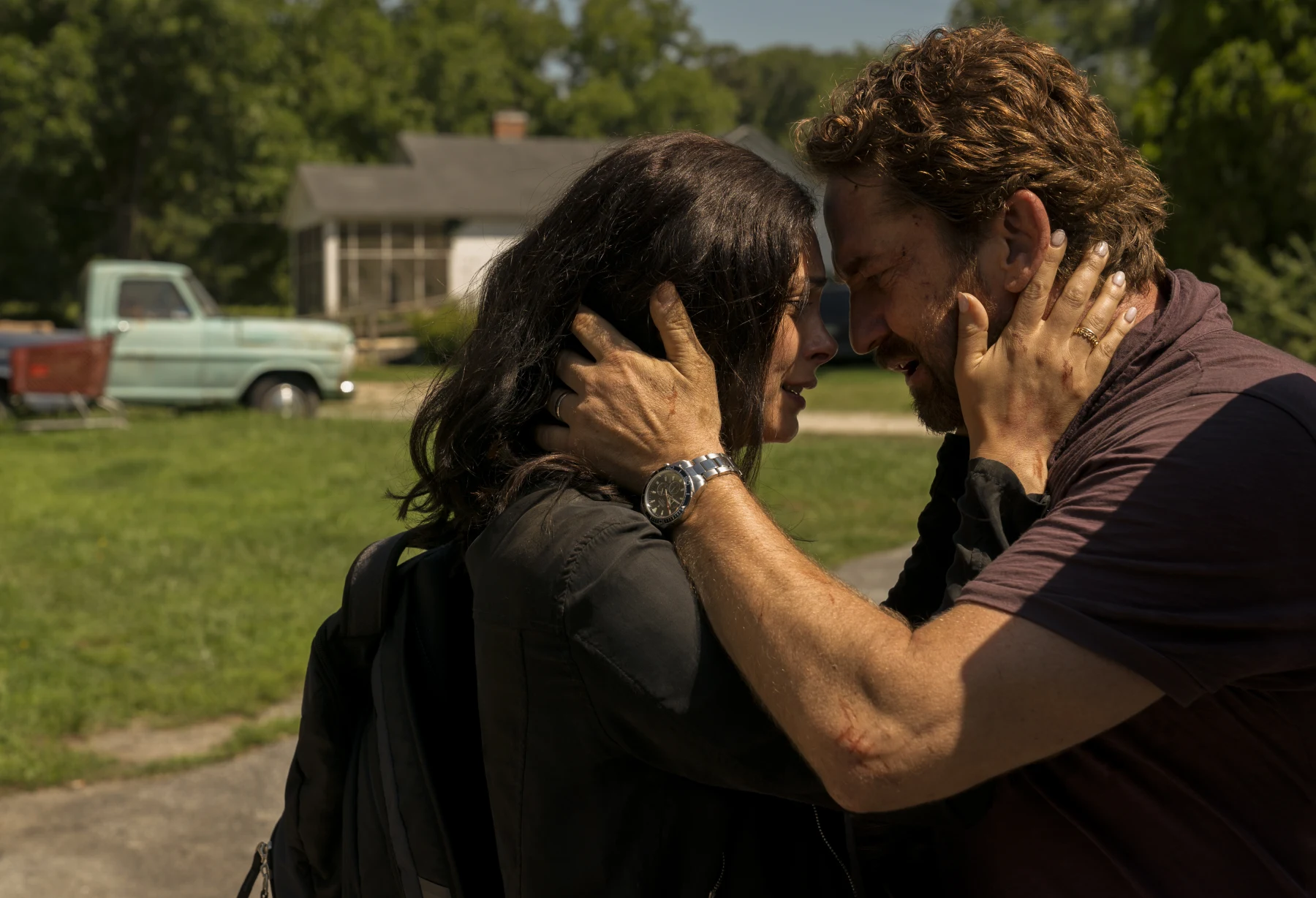
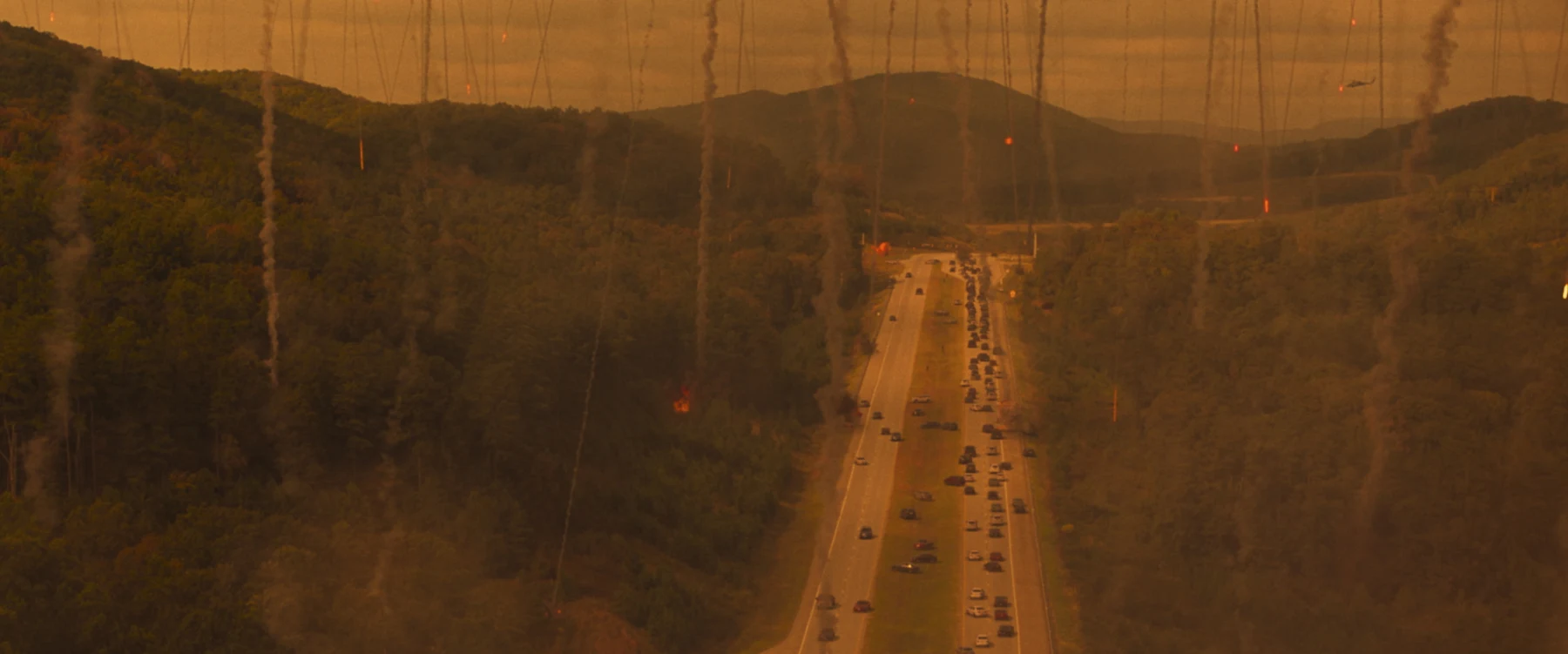
Join the Greenland Discussion
Share your take, ask a question, or reply directly to another viewer. If your comment contains a major spoiler, make that clear at the start.
What stood out to you most about Greenland?